
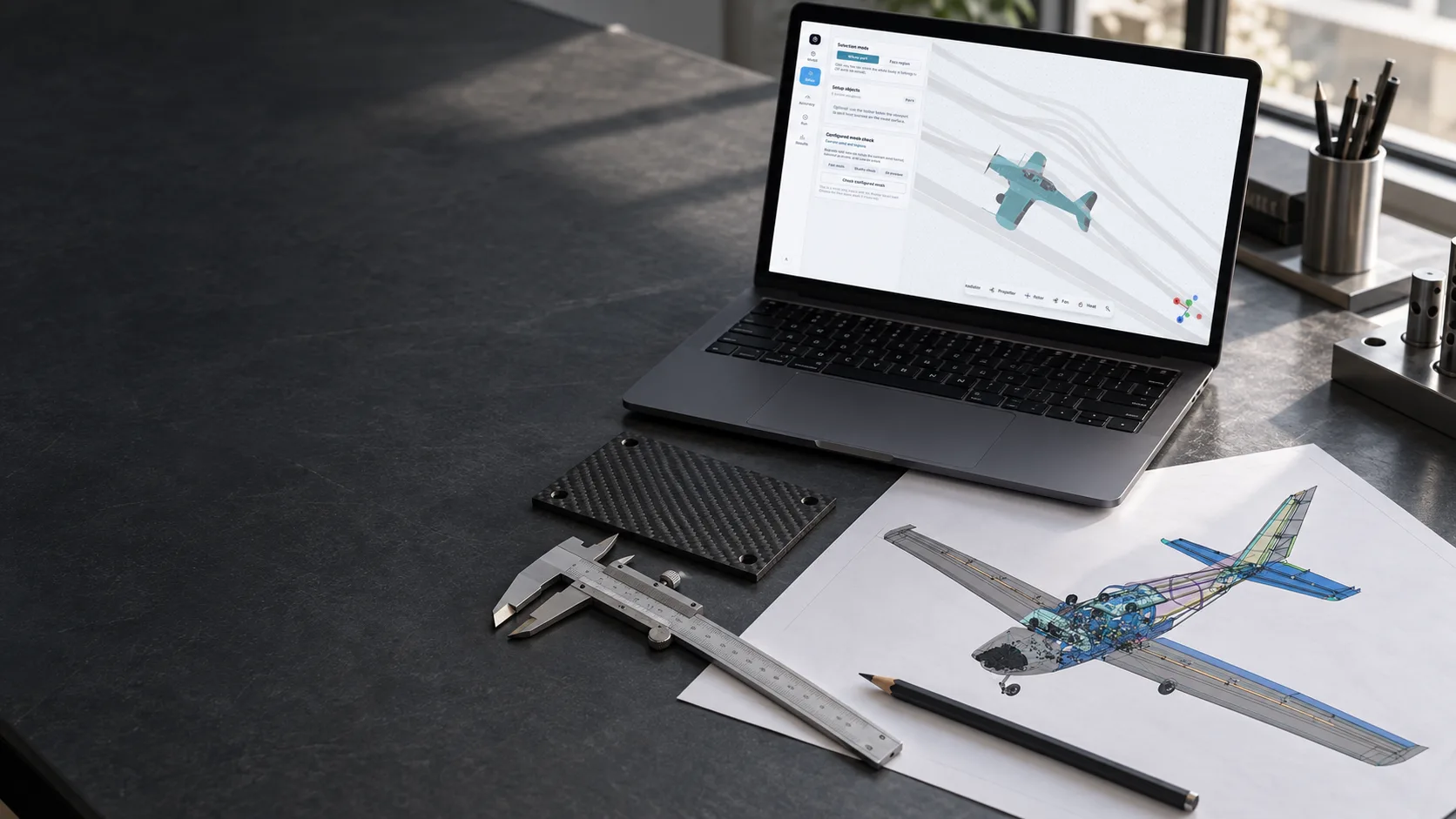
Mission readiness and autonomy assurance
Sovereign aerospace capability. Engineered.
REAH makes unmanned and special-mission aircraft mission-ready in demanding Gulf conditions.
Commercial offer
Propulsion Integration & Validation
Accountable ownership of propulsion, thermal management, electrical power and installed flight-performance problems, from engineering and instrumentation through hot-weather ground and flight validation.
One accountable engineering package between a prototype that flies and an aircraft that is ready for its mission, qualification or production milestone.
- Initial platform class
- Piston and hybrid-electric · 50–300 kW
- Regional design condition
- Up to 50 °C ambient
Bring us the milestone
When the installed aircraft—not the component datasheet—has to work.
- The prototype flies, but not reliably at high ambient temperature.
- Published engine performance does not survive the installed configuration.
- Cooling or electrical margin disappears during ground operation, climb or endurance flight.
- A qualification or production decision lacks instrumented evidence.
- The aircraft must close a milestone while the permanent systems or test team is still forming.
Propulsion
Installed power, induction, exhaust, propeller interaction and operating limits treated as one aircraft system.
Thermal management
Heat rejection, airflow, ducting and recirculation resolved across the complete mission profile.
Electrical power
Generation, demand, thermal load and mission equipment assessed against real operating phases.
Flight performance
Installed-system effects connected to endurance, climb, ground operation and the milestone the aircraft must close.
A defined engineering package
Own the problem. Produce the evidence.
The engagement is organized around an aircraft milestone and an agreed evidence package—not an open-ended allocation of engineering hours.
01
Define
Mission profile, operating envelope, failure symptom, programme constraint and acceptance criteria.
02
Instrument
Measurement plan, sensors, data acquisition, calibration and ground or flight test procedure.
03
Engineer
Installation model, thermal and electrical analysis, CFD, design changes and prototype hardware.
04
Validate
Representative hot-weather ground and flight evidence checked against agreed criteria.
05
Transfer
Configuration, models, evidence and operating knowledge retained by the customer team.
REAH can lead the complete package or enter at the blocked gate, while keeping the interfaces, acceptance criteria and final readiness decision connected.
Gulf-condition validation
Mission readiness is environmental.
An aircraft is not mission-ready because it worked on a mild day. REAH engineers and tests around the heat, exposure, contamination, endurance and low-speed conditions that change installed performance in the Gulf.
- High ambient temperature
- Solar heat exposure
- Dust and contamination
- Long-endurance operation
- High engine load
- Low-speed and ground operation
Evidence discipline
A model earns trust when it matches a measurement.
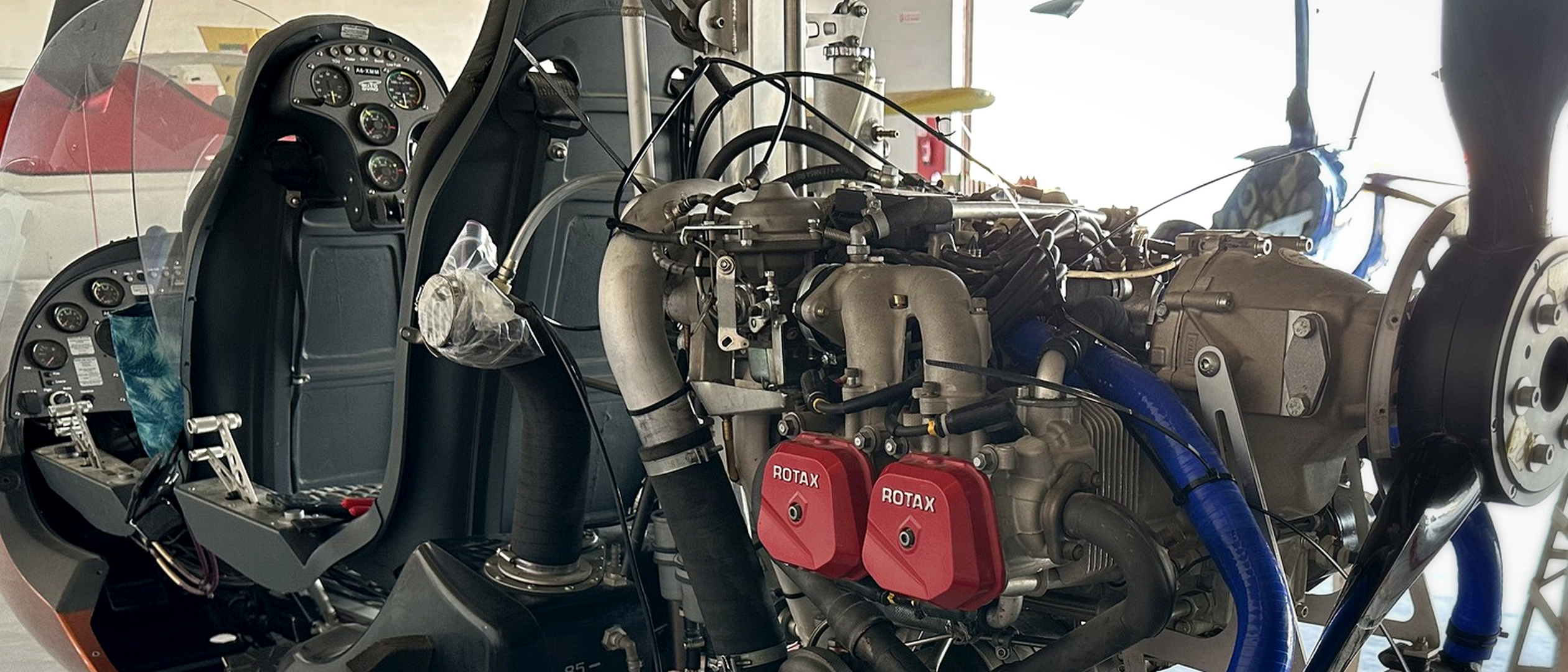
The flying laboratory is REAH's internal platform for developing the instrumentation, test procedures and correlation methods behind the commercial offer.
Baseline, model correlation and modification testing advance through separate evidence gates. Status labels distinguish what exists, what is under development and what still requires validation.
How much installed margin does the aircraft actually have?
The programme connects calibrated measurements, mission-phase models and configuration-controlled changes so that a readiness decision can be traced to evidence—not assumption.
Mission-readiness platform
Solve the milestone. Retain the system.
Each engagement should leave behind reusable test infrastructure, correlated engineering knowledge and a stronger customer team.
Current focus
Propulsion integration
Thermal, electrical and installed-performance engineering through instrumented ground and flight validation.
In development
Reusable evidence system
Test nodes, evidence software and correlated models that reduce repeated setup and preserve programme knowledge.
Strategic horizon
Fleet readiness
Embedded reliability systems and recurring support that connect engineering evidence to operational readiness across a fleet.
Knowledge
The engineering is written down.
Technical publications expose assumptions, boundary conditions, methods and limitations so that the evidence can be examined—not merely asserted.
Start with the blocked milestone
What must the aircraft prove next?
Share the platform, propulsion class, present symptom, operating condition and the flight, qualification or production decision that cannot move forward.