
Instrumentation & Flight Validation
The evidence layer of mission readiness—instrumentation, data acquisition, acceptance criteria, ground testing, flight testing and model correlation under representative conditions.
The Problem
Mission readiness is an evidence decision. Yet many small-aircraft programmes reach flight with too little instrumentation, unclear acceptance criteria and no controlled method for connecting a symptom to the installed aircraft configuration.
Without measurement there is no validation. Without an agreed requirement, measurement does not close a milestone.
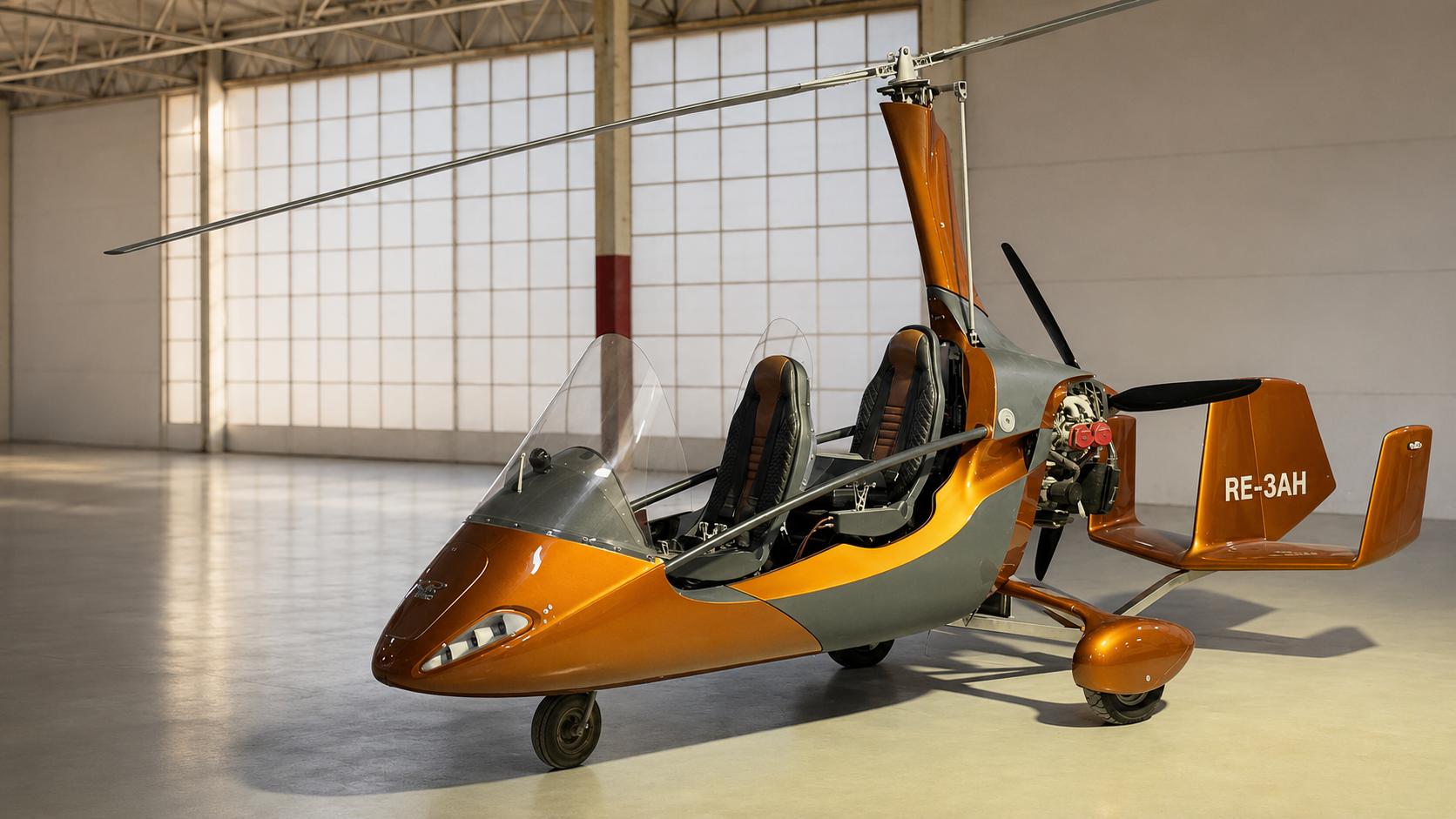
REAH's flying-laboratory platform for developing thermal, propulsion and flight-validation instrumentation. The current programme is advancing through instrumentation architecture and baseline test preparation.
Typical Customer Questions
- What should we measure to actually diagnose this problem — and where do the sensors go?
- How do we instrument a cooling system without disturbing the thing we are measuring?
- What ground and flight evidence will close the programme milestone?
- Do the flight measurements confirm the model — and if not, why not?
- Can the test be repeated under the same Gulf conditions and acceptance criteria?
How We Work
- Define. Translate the milestone into quantities, operating points, pass/fail criteria and required confidence.
- Instrument. Select ranges, accuracy, sensor locations, sampling, calibration and data-quality checks.
- Predict. Use the system model to state what the sensors should read before the test.
- Validate. Execute the ground or flight campaign against a controlled configuration and representative conditions.
- Correlate. Compare measurement with prediction, documenting agreement, discrepancy, uncertainty and model validity.
- Transfer. Deliver the instrumentation architecture, procedures, data structure and analysis method so the customer can repeat the evidence cycle.
Typical Deliverables
- Instrumentation plans and sensor specifications
- Installed data-acquisition and logging systems
- Ground-test and flight-test cards tied to acceptance criteria
- Hot-weather ground and flight campaign execution support
- Test-data reduction and model-correlation reports
- A readiness decision with evidence, limitations and remaining risk visible
Evidence
Our instrumentation and test methods are being developed on our own flying laboratory — an instrumented pusher-configuration testbed for exactly this work. Results are published with explicit evidence labels.
Boundaries and Limitations
- Flight testing is conducted within applicable regulations and the aircraft's approved envelope.
- Aircraft readiness, permissions, safety review and suitable operating areas constrain flight-test scope and timing.
- Measured results include uncertainty and repeatability context appropriate to the test campaign.
Put this discipline against a real aircraft milestone.
Bring the platform, operating condition, present symptom and decision that cannot move forward. REAH will map the complete system and the evidence required.